 TurnVideo
MAGI-2 AI Video Generator
Up to 30s of 1080p video with native audio and shot-cut control
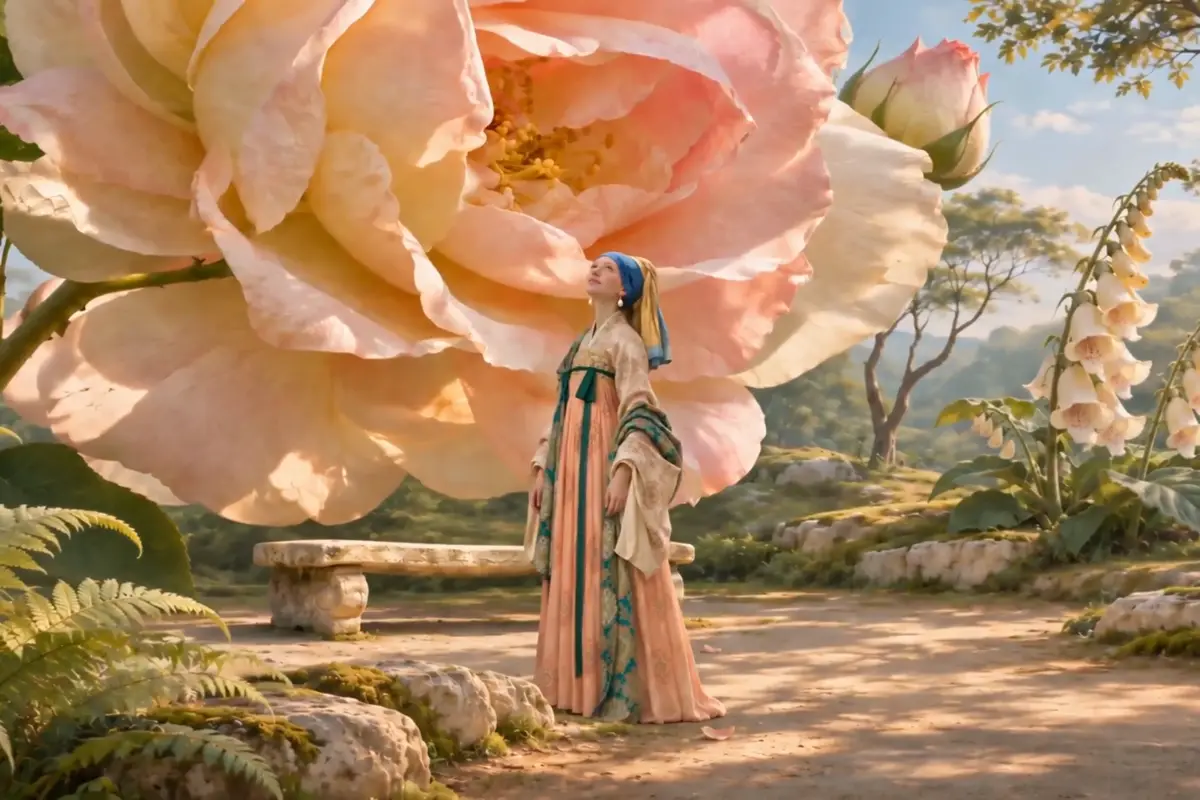
MAGI-2 isn’t available to generate on TurnVideo yet. Try Gemini Omni 1.2 Flash in the meantime.
Recreate This Video
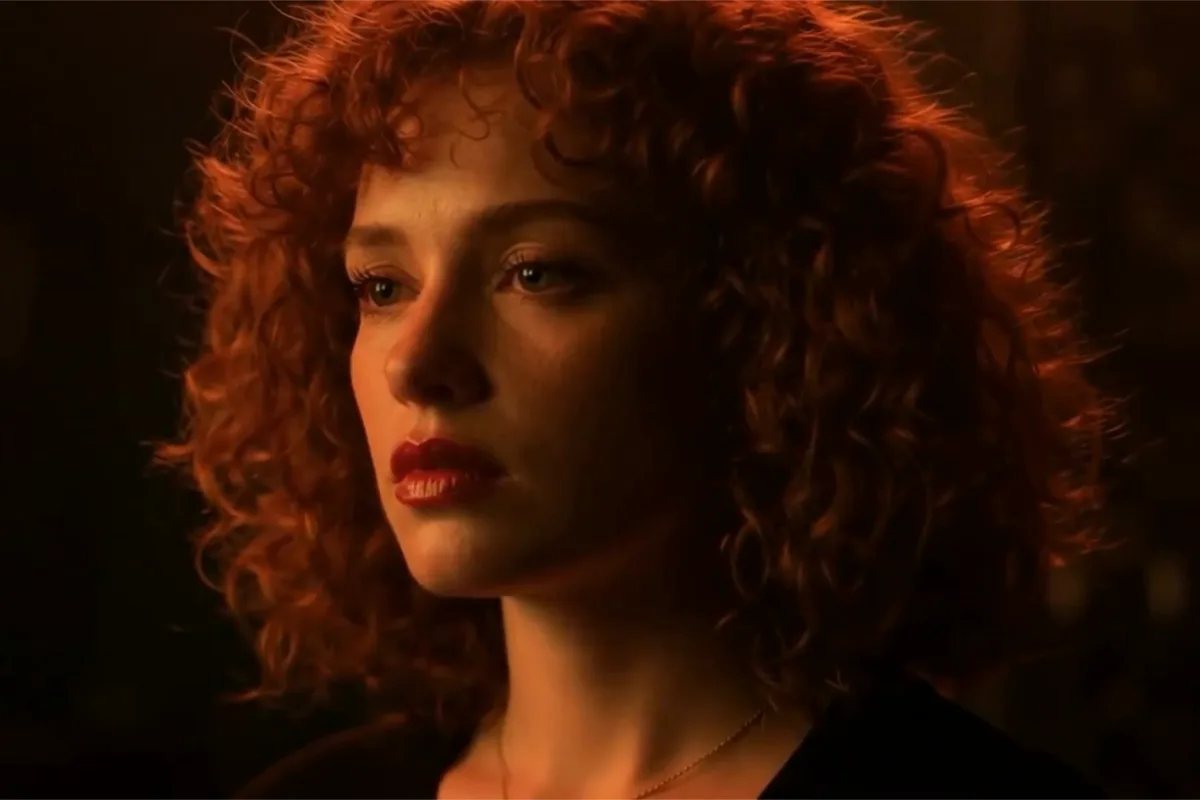
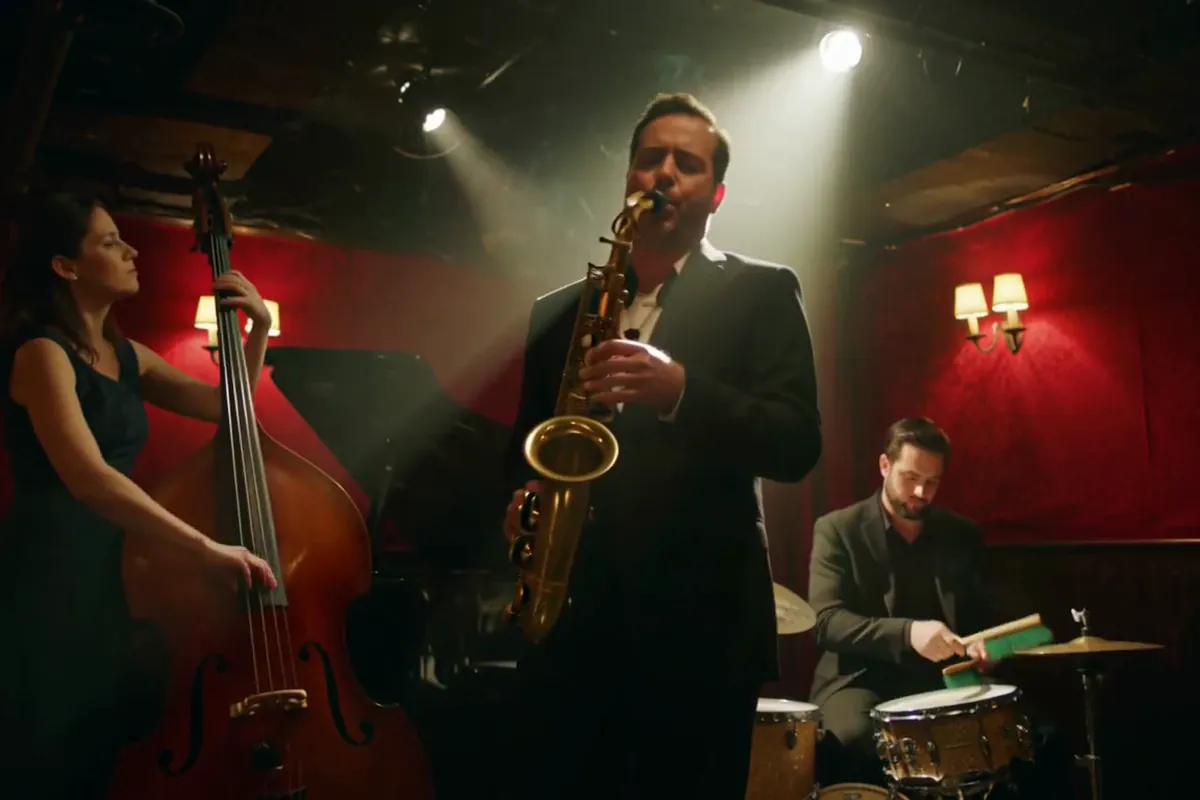
Official MAGI-2 demo footage from its maker — generation on TurnVideo is coming soon.
MAGI-2 AI Video Generator – Sand.ai’s 30-Second 1080p Model with Native Audio
MAGI-2 is Sand.ai’s flagship video model, released on November 24, 2026: one prompt can return up to 30 seconds of 1080p video at 25 fps with dialogue, foley and music generated in the same pass, steered by up to 20 reference images, clips and audio files and cut exactly where you say. It is not available to generate on TurnVideo yet — the button above reads Coming soon until it is. In the meantime Gemini Omni 1.2 Flash runs here today with native audio, from 99 credits for a 3-second clip.
Last updated November 25, 2026
Demo footage © Sand.ai — “Into the Giant Flower World” from Sand.ai’s official MAGI-2 launch post, shown to illustrate the model.
What is MAGI-2?
MAGI-2 is a text-to-video and reference-to-video model from Sand.ai, the lab behind the open MAGI-1 and the August 2026 MAGI-2 Preview. Sand.ai’s launch post describes a 480-billion-parameter mixture-of-experts backbone with about 28 billion parameters active per token, trained on roughly 4 trillion tokens, that generates picture and sound together in one sequence. It produces up to 30 seconds at 1080p and 25 fps in six aspect ratios, takes up to 20 references per request (10 images, 5 videos and 5 audio clips), lets you place cuts at exact timestamps, and can edit existing footage. The 1080p output comes from a dedicated upscaling stage that re-reads your reference images to keep small faces and on-screen text sharp. Sand.ai reports an average Elo of 1150.3 across four Artificial Analysis Video Arena tasks, up from 998.5 for the Preview — a vendor-published figure, not an independent test. Sand.ai says open weights and a technical report will follow.
Core Capabilities of the MAGI-2 AI Video Generator
Up to 30 seconds of 1080p at 25 fps
A latent upscaler lifts the base generation to 1080p and re-injects your original reference images while it does, which Sand.ai says is what keeps small faces and on-screen text legible deep into a 30-second clip.
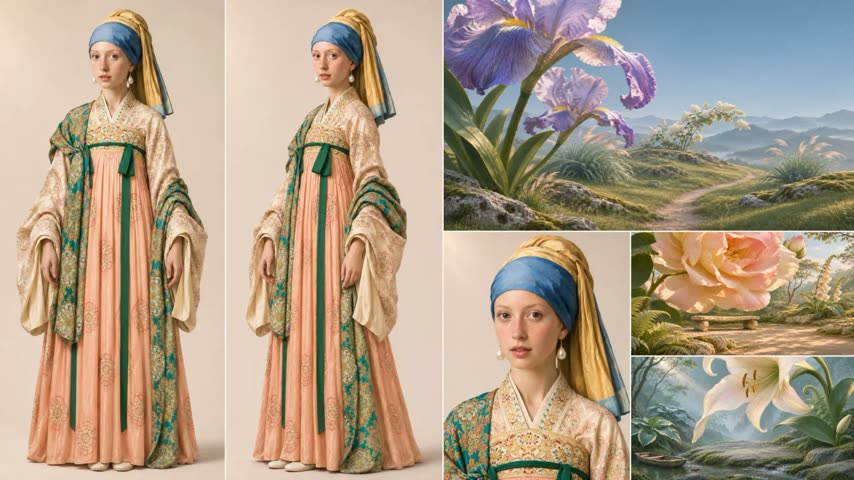
Omni-reference: up to 20 inputs per request
Mix up to 10 images, 5 videos and 5 audio clips in one request to pin down characters, places, motion and sound — the model reads them together rather than one at a time.
Cuts at the exact second you choose
Precision timeline and shot-cut control: specify where shots change and what each one shows, or give only story beats and let the model plan framing and close-ups itself.
Picture and sound from one model
Text, video and audio tokens share a single sequence in one Transformer, so lip movement, body motion and acoustics are generated together — dialogue, foley, ambience and music in one pass.
Editing, not just generating
Besides creating clips from scratch, MAGI-2 supports targeted edits on existing video, so a shot that is nearly right can be changed instead of rerolled.
How Creators Use the MAGI-2 AI Video Generator
A whole scene in one take
Most generators stop at five to fifteen seconds, so a scene becomes a stack of clips that never quite match. MAGI-2 renders up to 30 seconds in one pass — Sand.ai’s showcase walks a single continuous shot through five famous paintings — so continuity is the model’s job, not your edit’s.
The same character across several locations
Give it a character sheet and a few location stills and it keeps the face and wardrobe while moving between them. Sand.ai’s “Into the Giant Flower World” locks one character across an iris hillside, a rose garden and a lily valley from reference images alone.
Story scenes with the sound already in place
Dialogue with lip-sync, a music box winding down, footsteps on floorboards, room tone — MAGI-2 generates them in the same pass as the picture, so a scene arrives finished rather than as a silent draft waiting for audio.
Edits that land on the beat
Precision timeline control lets you say where each cut falls, which is what music videos, trailers and product spots need: the shot changes on the downbeat instead of wherever the model felt like it.
MAGI-2 vs Gemini Omni 1.2 Flash
MAGI-2 is built for length and control: a full 30-second scene in one take, steered by a stack of references and timed cuts. Gemini Omni 1.2 Flash is the shorter, faster generator you can run on TurnVideo today. MAGI-2 figures are Sand.ai’s own.
| MAGI-2 | Gemini Omni 1.2 Flash | |
|---|---|---|
| Made by | Sand.ai | |
| Longest clip | 30 seconds | 15 seconds |
| Resolution | 1080p at 25 fps | 720p on TurnVideo |
| Audio | Native — dialogue with lip-sync, foley, ambience, music | Native, generated with the picture |
| Inputs | Text plus up to 20 references (10 images, 5 videos, 5 audio clips) | Text, or a first frame plus an optional last frame (up to 10s) |
| Aspect ratios | Six | 16:9 or 9:16 |
| On TurnVideo | Coming soon | Live, from 99 credits per clip |
Getting Better Results from the MAGI-2 AI Video Generator
Write the timeline, not just the scene
With 30 seconds to fill, a one-line prompt leaves most of the clip to chance. List the beats with rough timestamps — “0–8s wide establishing, 8–15s she turns, cut to close-up at 15s” — and the model uses its timeline control instead of guessing.
Let references carry identity
Describe action in words and appearance in images. A clean character sheet and one still per location do more for consistency across a long clip than paragraphs of costume description.
Keep the fastest motion short
Sand.ai lists extreme high-speed motion as a known weak spot that can break trajectories or continuity. Give a whip-fast action a short window, or cut around it, rather than holding it for the whole clip.
Draft short while MAGI-2 is on its way
Gemini Omni 1.2 Flash runs on TurnVideo today with native audio and clips up to 15 seconds. Prompts that describe beats, camera and sound carry over, so the shots you work out now are ready to scale up to a 30-second take.
MAGI-2 AI Video Generator FAQ
MAGI-2 is Sand.ai’s flagship video generation model, released on November 24, 2026. It generates up to 30 seconds of 1080p, 25 fps video with native audio from a text prompt and up to 20 reference images, videos and audio clips, with precise control over where shots cut, and it can also edit existing video.
Not yet — the Generate button reads Coming soon until MAGI-2 is available here, and its price will appear next to that button before you run anything. You can generate with Gemini Omni 1.2 Flash today, from 99 credits for a 3-second clip with native audio.
Sand.ai, the research lab that released the autoregressive MAGI-1 in 2025 and the open-weight MAGI-2 Preview in August 2026. MAGI-2 is the full-scale flagship built on the same architecture.
Up to 30 seconds in a single generation, at 1080p and 25 frames per second, in six aspect ratios. The 1080p comes from an upscaling stage that re-reads your reference images to keep faces and text sharp.
Yes. Audio is generated by the same model as the picture — dialogue with lip-sync, foley, ambient sound and music — rather than added in a separate step.
It is MAGI-2’s name for mixing several kinds of reference in one request: up to 10 images, 5 video clips and 5 audio clips, 20 in total. Use them to fix a character’s look, a location, a movement or a voice while the prompt describes what happens.
Scale and features. The open-weight Preview from August 2026 has about 114 billion parameters with roughly 6 billion active and makes 10-second clips; MAGI-2 has about 480 billion with roughly 28 billion active, makes up to 30 seconds, and adds omni-reference, timeline control and editing. Sand.ai reports its average arena Elo rising from 998.5 to 1150.3.
Not yet. Sand.ai says it will open-source MAGI-2 and publish a technical report but has not given a date or licence. The smaller MAGI-2 Preview is already open-weight.
Sand.ai lists them itself: very fast motion can occasionally produce trajectory or continuity artifacts, medium and wide shots of 2D animation can look overly smooth in fine motion, and complex soundscapes still have room for richer layering.
More AI Models to Try on TurnVideo
Nano Banana 2.1
Google's newest image model — better design, edits and consistency

Gemini Omni 1.2 Flash
Clips up to 15s with native audio and steadier shots
Gemini Omni 1.1 Flash
First-to-last-frame control and flexible 3–10s clips
MiniMax H3 Max
Fast 768p clips with native audio, 5–15s
MiniMax H3
Native-2K multimodal video with stereo audio, 5–15s
FLUX 3
Cinematic video with native audio from Black Forest Labs
Seedance 2.5
Flagship cinematic video with lip-synced native audio
Veo 3.1
Cinematic text-to-video with native audio from Google DeepMind
Gemini Omni Flash
Conversational video generation and editing from any input
Kling 3.0
Multi-shot director control with native audio, up to 15s
Wan 2.7
Thinking-mode video generation with synced audio, up to 1080p

Grok Imagine Video
Turns images into cinematic clips with synced audio, by xAI

GPT Image 2.5
OpenAI's newest image model — sharper detail, faster edits
Nano Banana Pro
Reasoning-powered generation and editing with 4K output

GPT Image 2
Text-rich visuals and clean product shots

Seedream 5.0 Pro
Pro-grade images with layer editing and multilingual text